

Press 0 for a Person
We’ve all been there. You have a simple problem, you call or open a chat, and a cheerful automated voice asks you to “describe your issue in a few words.” You try. It doesn’t understand. You try again. Ten minutes later, you’re shouting “representative” at your phone and wondering when asking for help became this hard. In many cases now, a ‘representative’ just isn’t an option.
Across industries, companies are replacing the people at their support desks with chatbots, phone trees and automated ticket systems. It looks efficient on a spreadsheet. But something important is being lost along the way.
What a Person Brings That a Script Can’t
A good support person doesn’t just process your request. They listen. They hear the frustration in your voice and slow down. They notice when the question you asked isn’t really the problem you have.
They can bend a rule when it makes sense, connect the dots between two issues, or simply say, “Let me take care of that for you.” A computer follows its script. A person uses judgment, and judgment is what turns a bad moment into a solved one.
The Personal Touch Is the Experience
Think about the last time customer service actually made your day better. Chances are, it wasn’t because a system resolved your ticket quickly. It was because someone remembered your name, asked how your week was going, or went one step further than they had to.
Those small moments are what make an experience pleasant. A warm greeting. A bit of humour. A follow-up call to make sure everything worked out. None of it shows up in an efficiency report, but customers feel every bit of it. When we remove the people, we remove the warmth, and what’s left is a transaction.
The Hidden Cost
Businesses that cut human support often save money in the short term and pay for it later. Customers who feel ignored don’t complain forever. They quietly leave, and they tell their friends why.
Trust is built person to person. Loyalty grows when people feel known and valued. Automation has its place for simple tasks like resetting a password or checking an order status. But when it becomes a wall between a customer and real help, the savings come at the expense of the relationship.
Keep People at the Heart of Service
Technology should support the people who help customers, not replace them. My suggestion? Use it to handle the routine work so your team has more time for the conversations that matter.
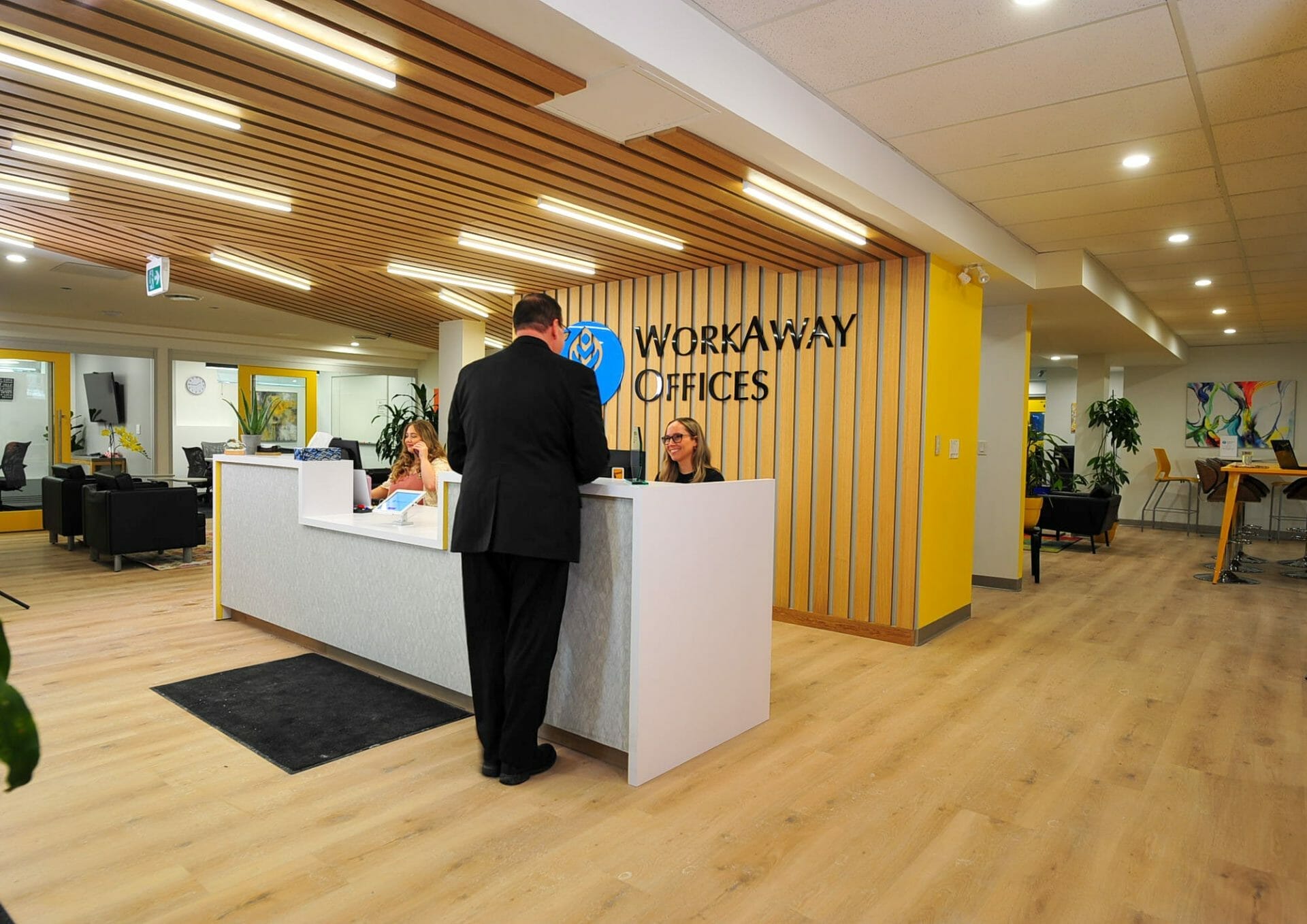
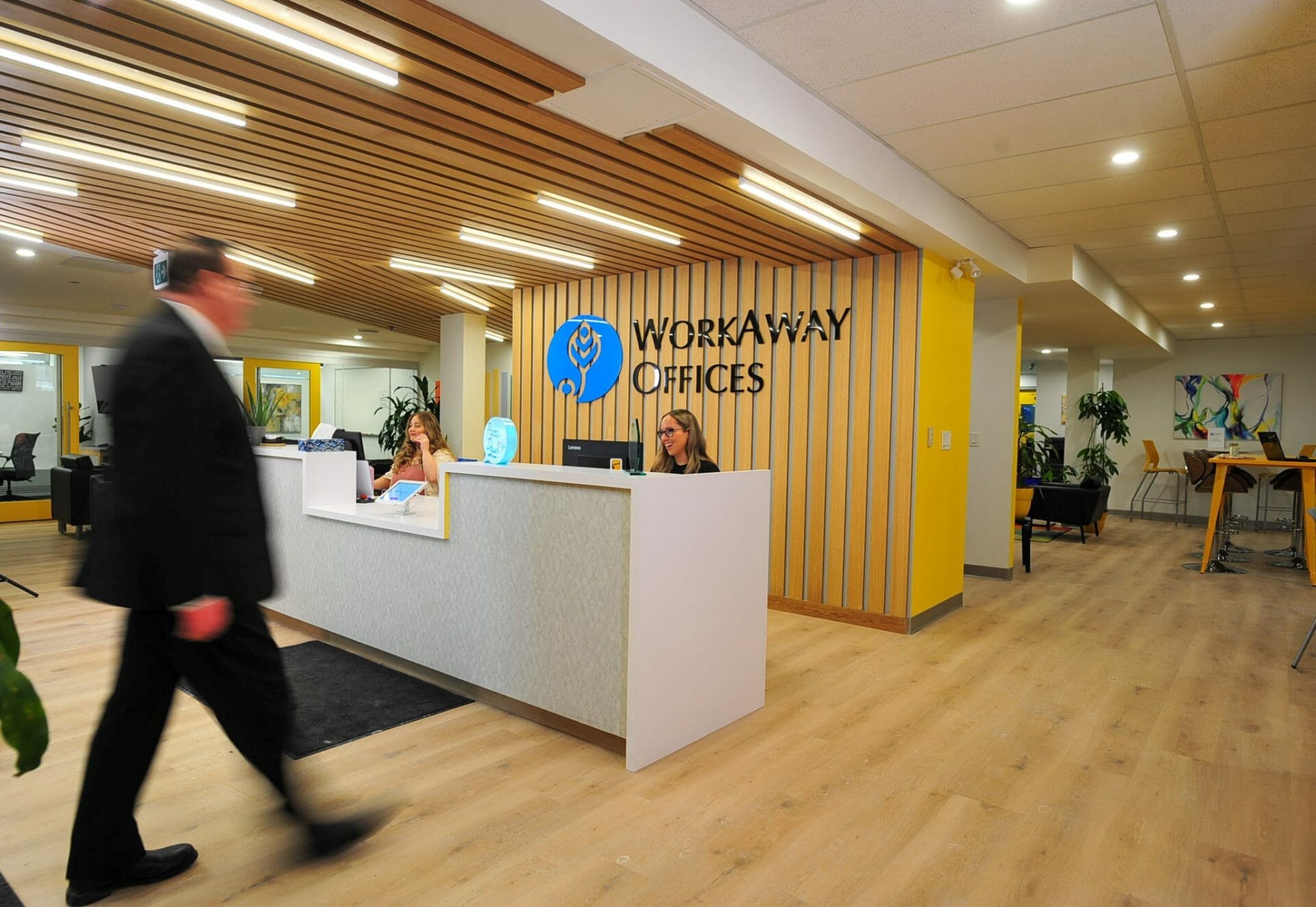
At WorkAway Offices, we believe that when you walk through our doors or pick up the phone, you should be greeted by a real person who knows your name and wants to help. That personal touch isn’t a luxury. It’s the whole point.
What are your thoughts on this topic? Please share your thoughts and repost this article. Our opinions matter
Related Posts


Press 0 for a Person
We’ve all been there. You have a simple problem, you call or open a chat, and a cheerful automated voice asks you to “describe your issue in a few words.” You try. It doesn’t understand. You try again. Ten minutes later, you’re shouting “representative” at your phone and wondering when asking for help became this hard. In many cases now, a ‘representative’ just isn’t an option.
Across industries, companies are replacing the people at their support desks with chatbots, phone trees and automated ticket systems. It looks efficient on a spreadsheet. But something important is being lost along the way.
What a Person Brings That a Script Can’t
A good support person doesn’t just process your request. They listen. They hear the frustration in your voice and slow down. They notice when the question you asked isn’t really the problem you have.
They can bend a rule when it makes sense, connect the dots between two issues, or simply say, “Let me take care of that for you.” A computer follows its script. A person uses judgment, and judgment is what turns a bad moment into a solved one.
The Personal Touch Is the Experience
Think about the last time customer service actually made your day better. Chances are, it wasn’t because a system resolved your ticket quickly. It was because someone remembered your name, asked how your week was going, or went one step further than they had to.
Those small moments are what make an experience pleasant. A warm greeting. A bit of humour. A follow-up call to make sure everything worked out. None of it shows up in an efficiency report, but customers feel every bit of it. When we remove the people, we remove the warmth, and what’s left is a transaction.
The Hidden Cost
Businesses that cut human support often save money in the short term and pay for it later. Customers who feel ignored don’t complain forever. They quietly leave, and they tell their friends why.
Trust is built person to person. Loyalty grows when people feel known and valued. Automation has its place for simple tasks like resetting a password or checking an order status. But when it becomes a wall between a customer and real help, the savings come at the expense of the relationship.
Keep People at the Heart of Service
Technology should support the people who help customers, not replace them. My suggestion? Use it to handle the routine work so your team has more time for the conversations that matter.
At WorkAway Offices, we believe that when you walk through our doors or pick up the phone, you should be greeted by a real person who knows your name and wants to help. That personal touch isn’t a luxury. It’s the whole point.
What are your thoughts on this topic? Please share your thoughts and repost this article. Our opinions matter